
Linda Ouhbi
 ” style=”object-position:50% 0%” data-object-fit=”cover” data-object-position=”50% 0%” >
 ” style=”object-position:50% 0%” data-object-fit=”cover” data-object-position=”50% 0%” >
Curriculum Vitae
Linda Ouhbi, a distinctive voice in contemporary ceramics
Born in 1984 in Casablanca (Morocco), Linda Ouhbi now lives and works in Paris.
A passionate ceramic artist and active member of Ateliers d’Art de France, she continually explores the expressive potential of clay and glaze.
Her journey is marked by rigorous training: after earning a CAP in ceramic wheel-throwing at CNIFOP, she completed a DMA at École Duperré and deepened her research into stoneware glazes under Professor Patrick Buté. Before dedicating herself fully to ceramics, she obtained two master’s degrees in tourism engineering and communication.
Awarded the Visa Kyoto Prize in 2018, Linda Ouhbi deepened her practice during an artistic residency in Japan, resulting in exhibitions at the Tokyo Metropolitan Art Museum and OikeHorikawa Gallery in Kyoto.
Since then, her work has been represented by renowned galleries in the United States, Copenhagen, Switzerland, London, and France.
Inspiration
Drawing inspiration from both ancestral craftsmanship and contemporary forms, she positions her work within a dialogue between past and present, in continuity with a universal ceramic language.
The treatment of surfaces, – particularly the glazes she formulates herself-goes beyond ornamentation. It extends the expression of the clay, revealing its flaws, textures, and memory.
Mineral hues and oxidized effects lend her pieces an almost archaeological dimension, as though they had traversed time.
Technique
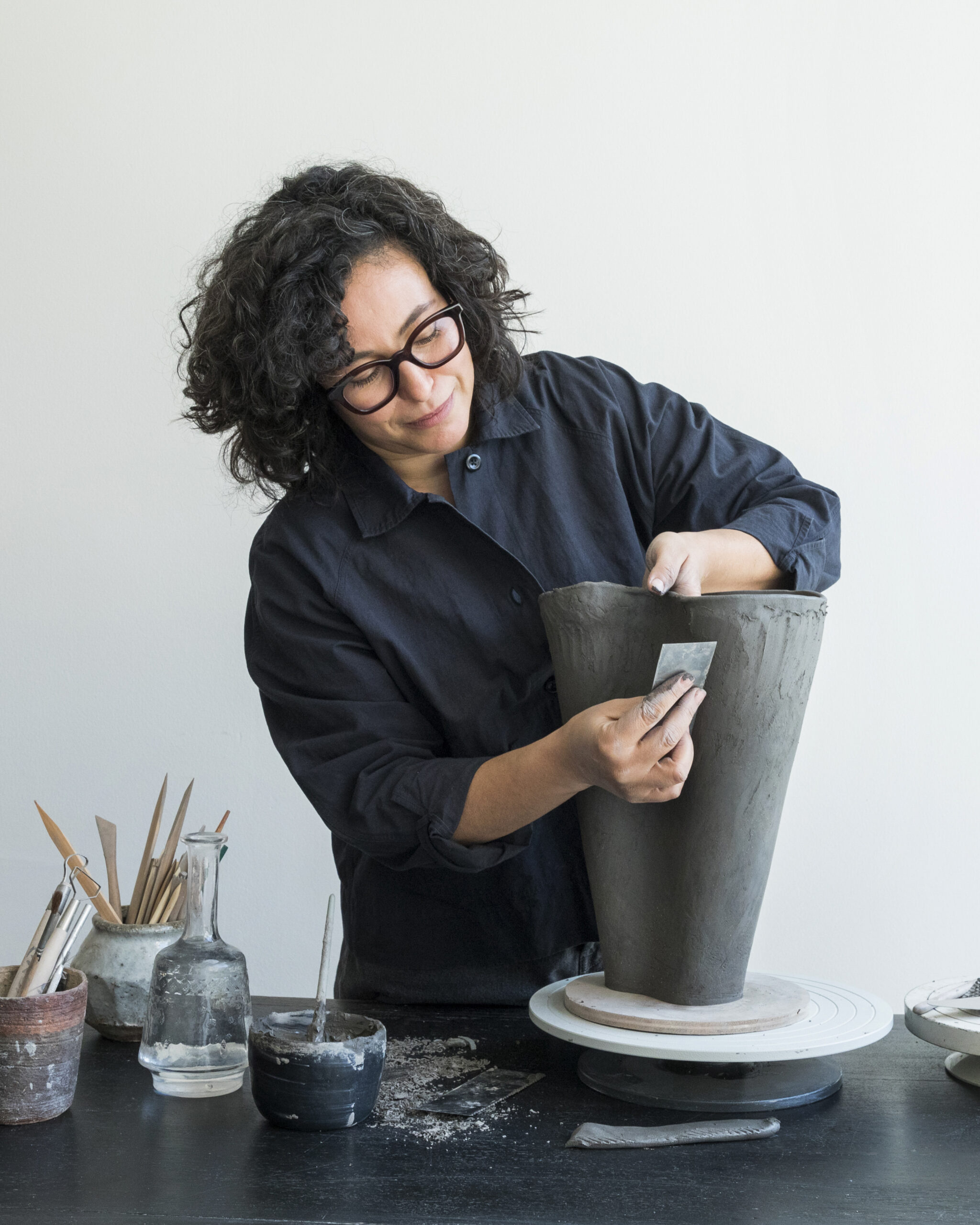
Linda Ouhbi handcrafts stoneware pieces using the flat coil technique, a slow and meticulous process that anchors her work in an essential temporality, where each piece evolves with every gesture. Far from mere construction, this method reflects a search for balance, a pursuit of the right form, where the delicacy of the walls becomes a signature element.
Her works transcend utility; they assert themselves as autonomous volumes—sculptures where the imprint of time and hand converge.
Showing all 10 results
-
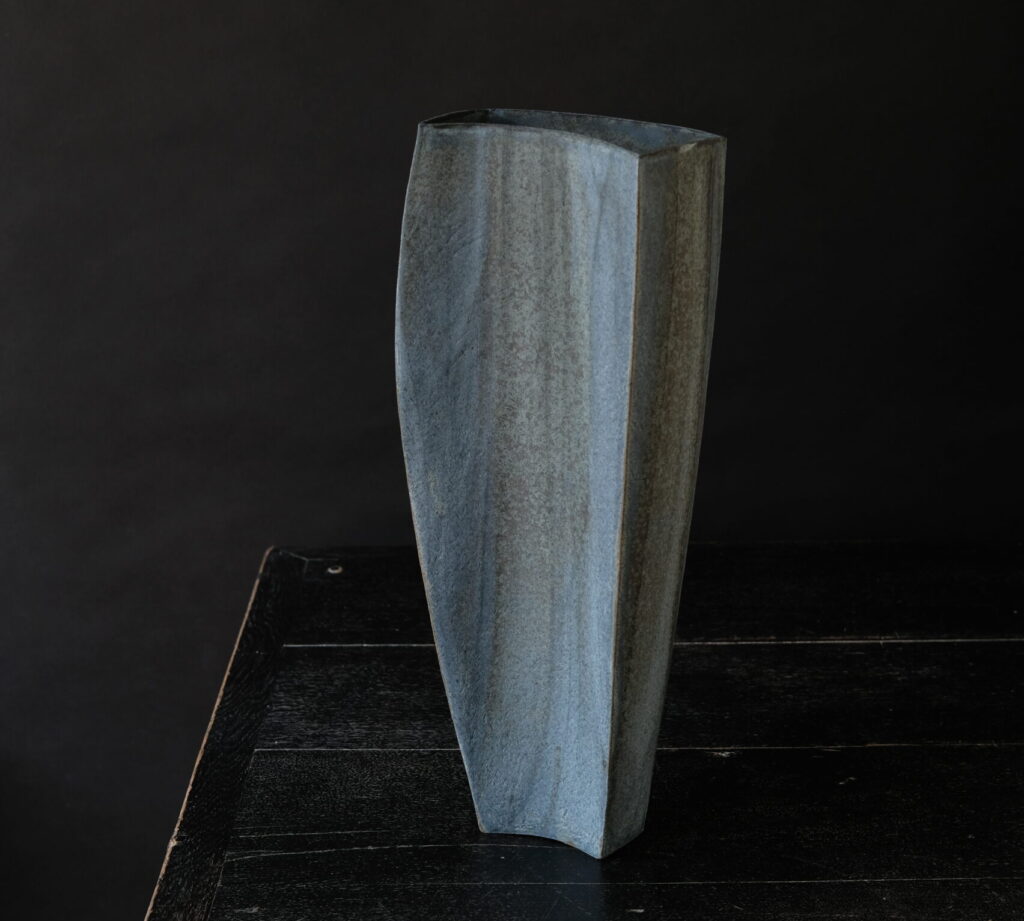
Unitled, 17/2025
€ 2.850,00 vat included -
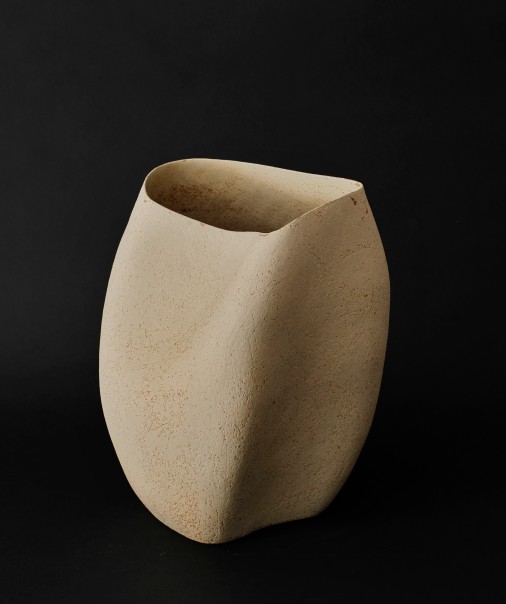
Untitled 13-2023
€ 1.800,00 vat included -
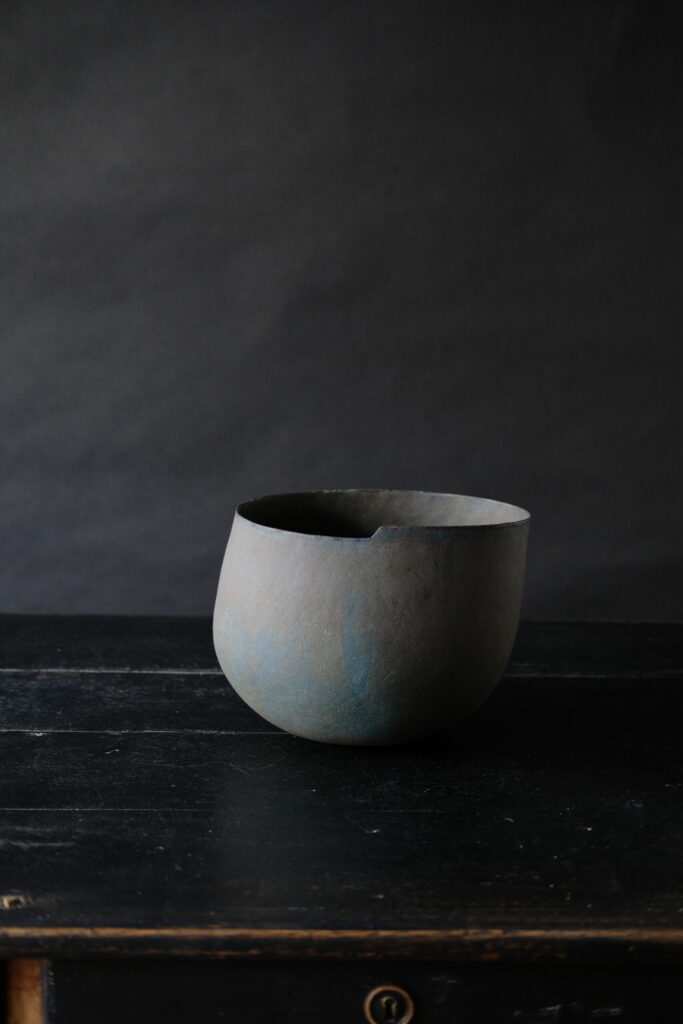
Untitled, 06/2025
€ 1.800,00 vat included -
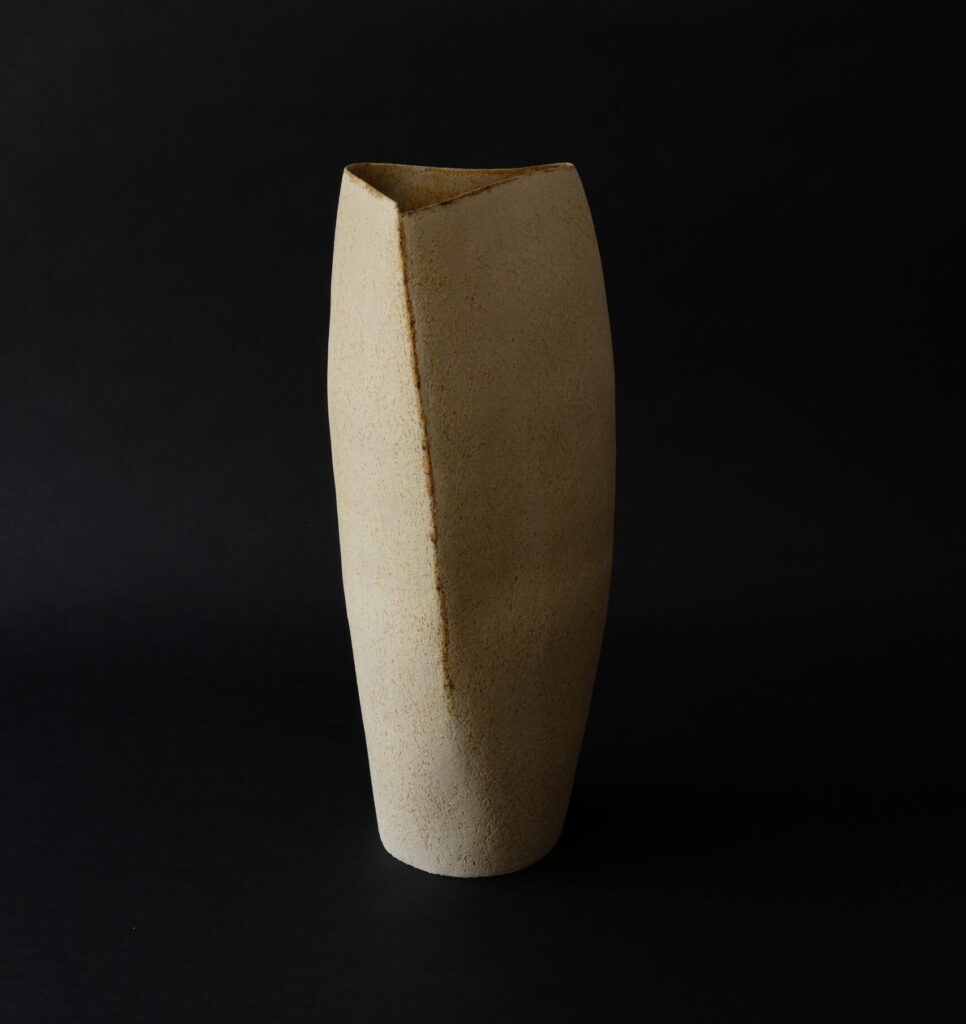
Untitled, 11/2023
€ 2.200,00 vat included -
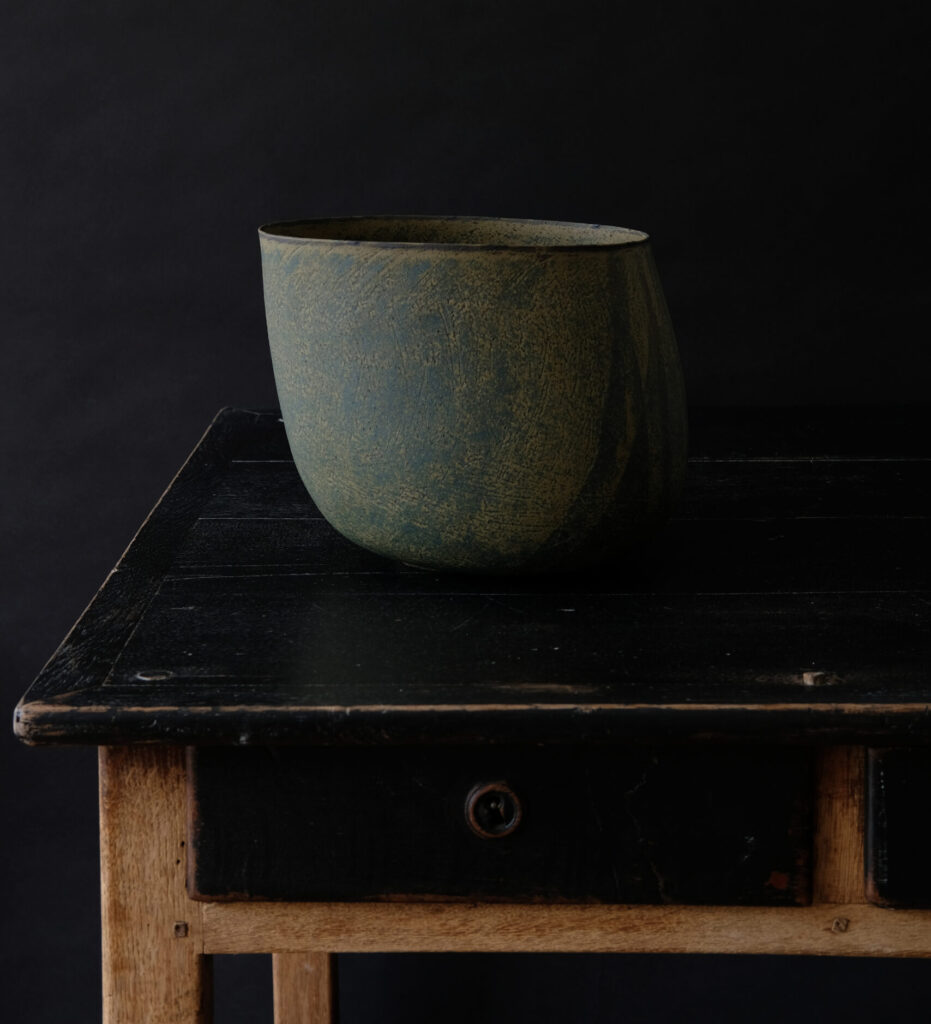
Untitled, 20/2025
€ 1.800,00 vat included -
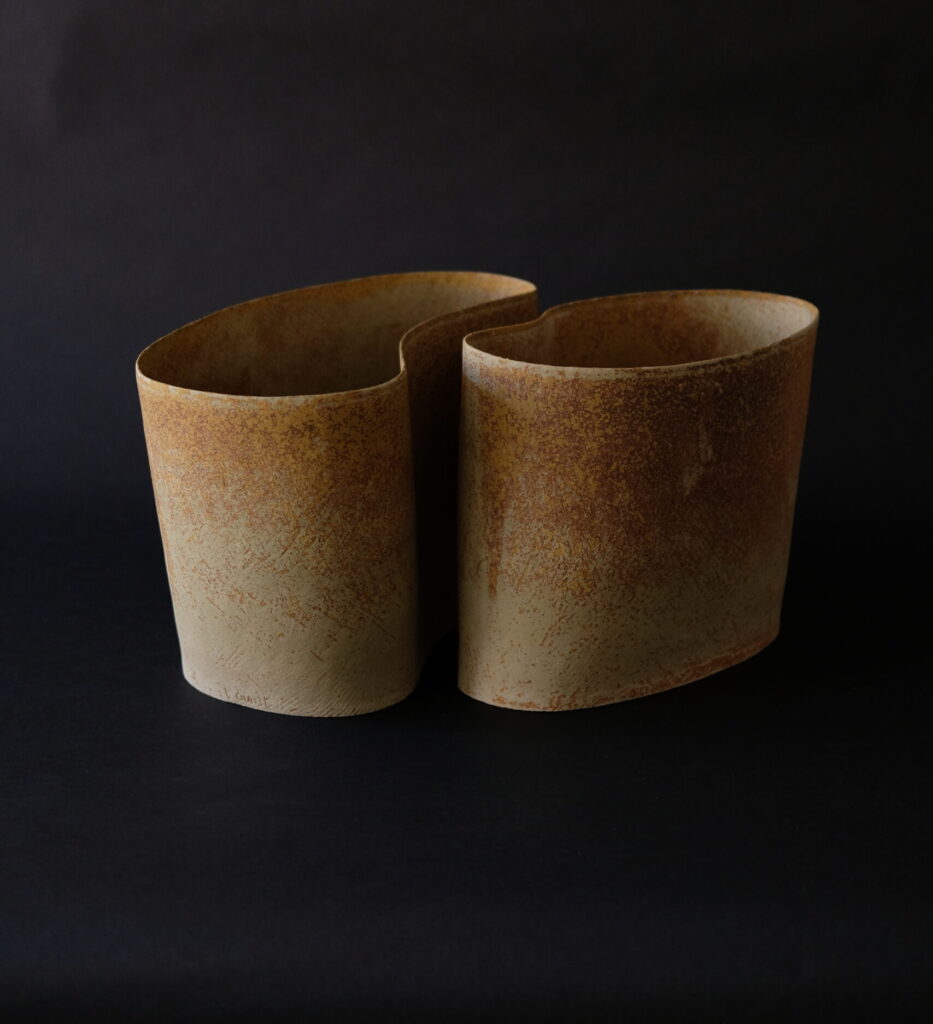
Untitled, 23/2024
€ 3.500,00 vat included -
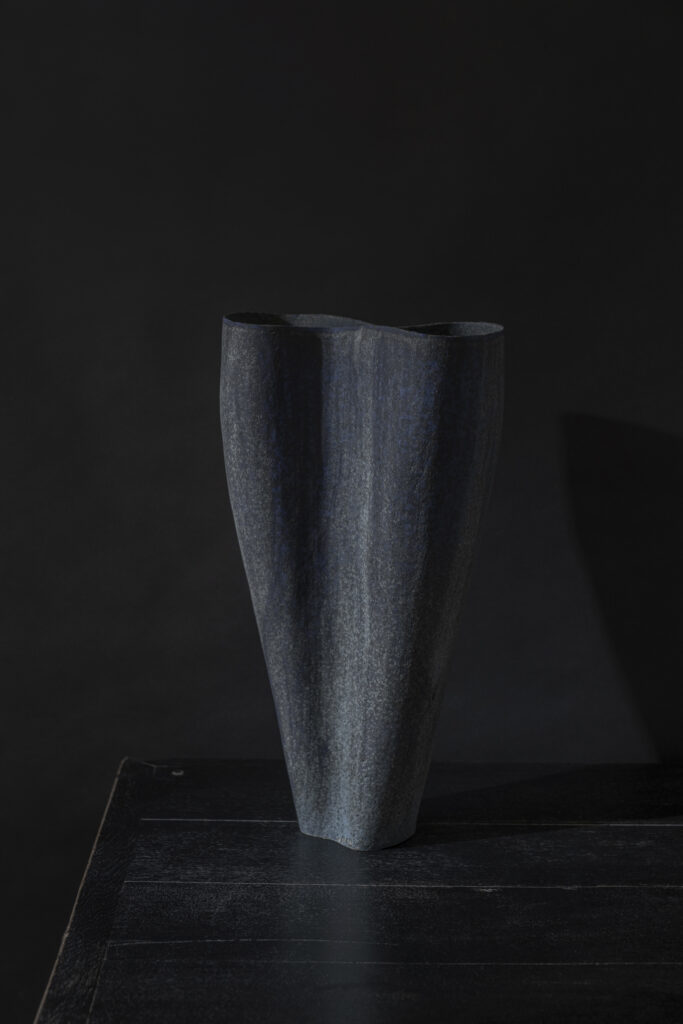
Untitled, 26/2024
€ 3.300,00 vat included -
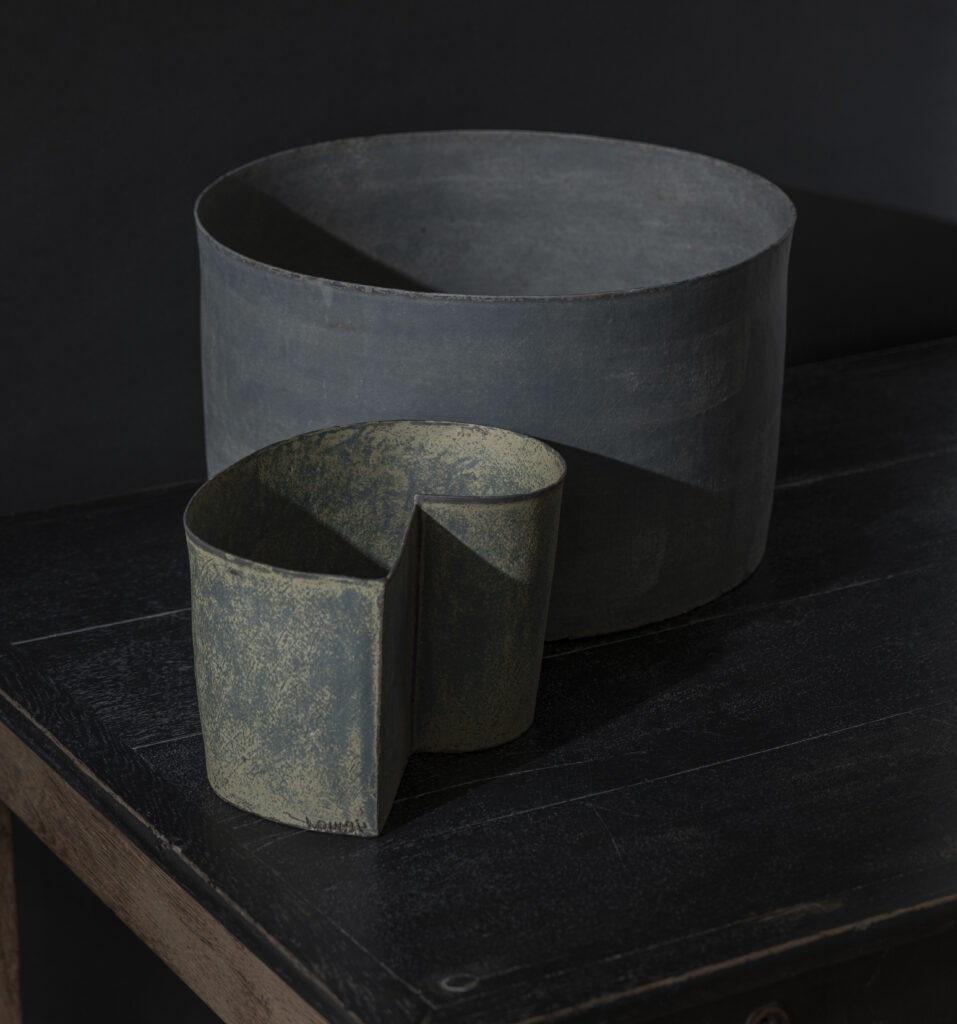
Untitled, 29/2024
€ 1.800,00 vat included -
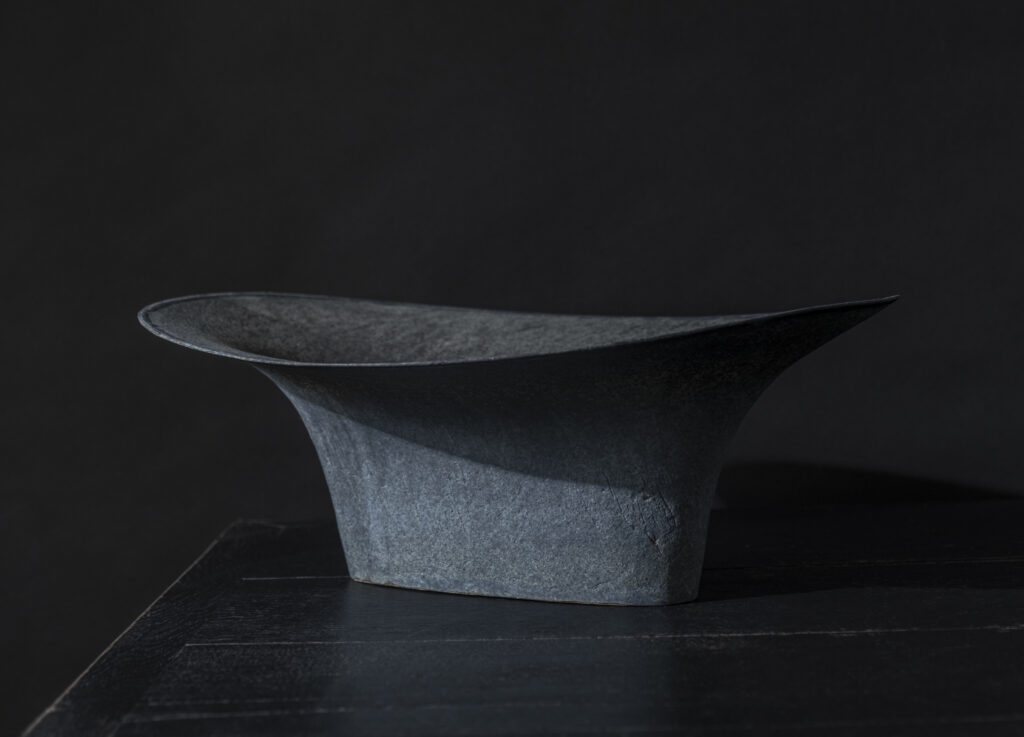
Untitled, 30/2024
€ 2.500,00 vat included -
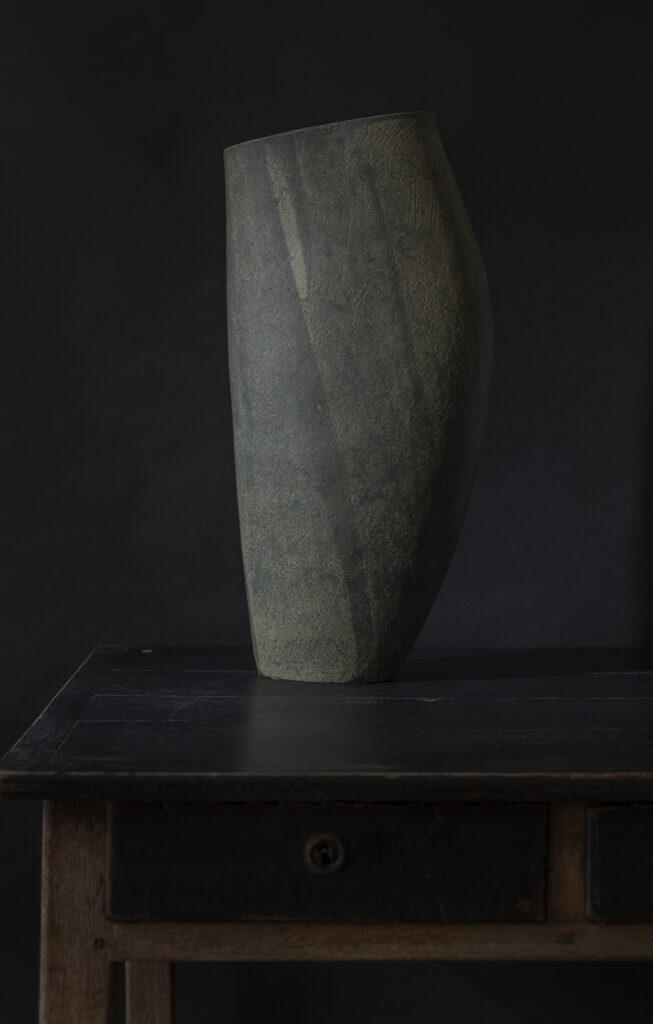
Untitled, 31/2024
€ 2.900,00 vat included