
Monika Debus
 ” style=”object-position:50% 0%” data-object-fit=”cover” data-object-position=”50% 0%” >
 ” style=”object-position:50% 0%” data-object-fit=”cover” data-object-position=”50% 0%” >
Curriculum Vitae
Monika Debus was born in 1961 in Germany and trained in ceramic design from 1989 to 1992 in Höhr-Grenzhausen.
Since 1993, she has worked in her own studio there, developing a distinctive artistic voice.
In 1994, she joined the Keramikgruppe Grenzhausen collective.
Her work gained international recognition: in 2005, she became a member of the International Academy of Ceramics and held a residency at the Taipei Ceramics Museum.
In 2007, she was selected for a residency in China and joined the artist group “Gruppe 83.”
Her creations have been exhibited across Europe, Asia, and the United States. She has received numerous awards, including the Westerwald Prize in 2004 and an Honourable Mention in Japan in 2014. In 2018, she was honored in London and Diessen. Her accolades continued with prizes in Siegburg in 2022 and 2024.
Her work is part of private and museum collections, including in Munich, Stuttgart, Taipei, and Mino. In 2025, the Westerwald Museum added her pieces once again. In 2025 she was honoured artist of the exhibition of ceramics in Andenne.
Monika Debus remains a leading figure in contemporary ceramics, blending technical mastery with profound artistic expression.
Inspiration
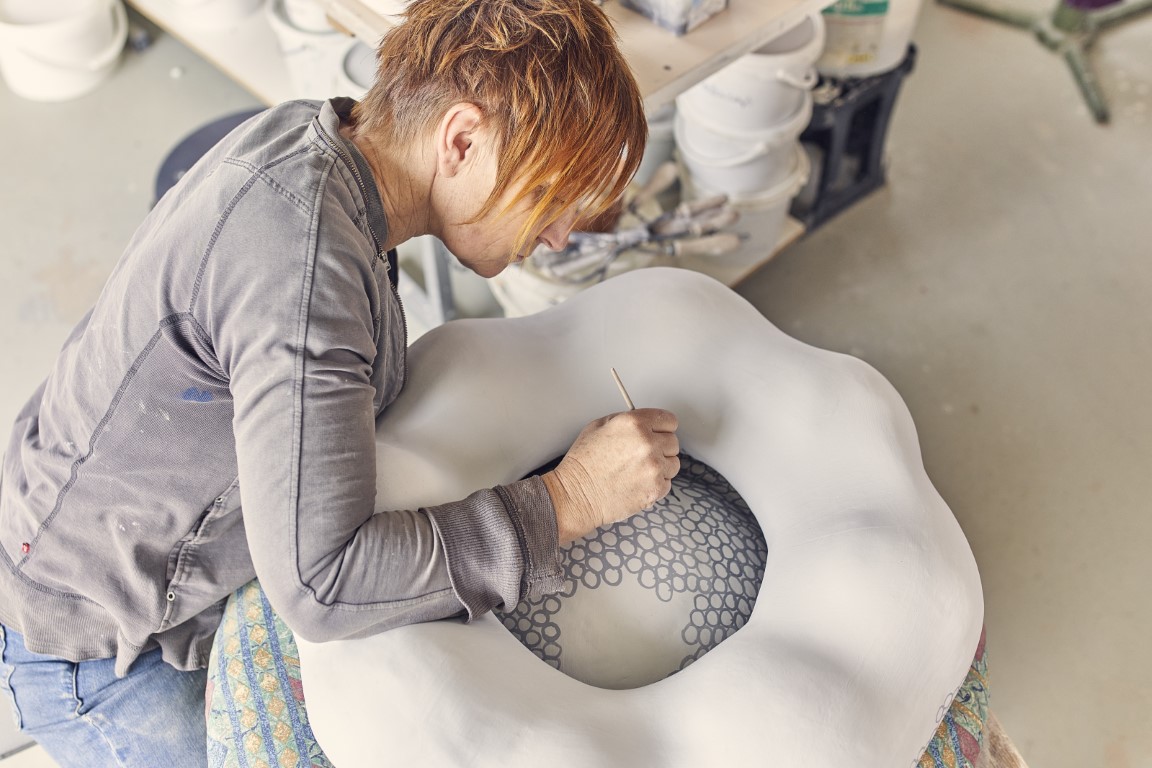
“My sculptures are a combination of plastic clay and abstract, free painting.
I look for connections between vase and sculpture, painting and sculpture, tradition and modernism, between art and craft, art and spectator and also between feeling and understanding, simplicity and complexity.
The imaginary spaces that I can create with my sculptures fascinate me. For the viewer, this opens up a range of possibilities, free associations and feelings.”.
Clay and sludge are the simplest means of working with ceramics. Monika does not like working with complex machines and tools, but above all manipulating with her hands. She aims for simplicity and works with rolled-out clay plates.
“I get my inspiration from daily experiences with people, music, nature…. but also from my daily work with the material”.
Her works are organic, with undulating forms, without corners and a natural look.
The baking with salt modulates the surface from light to dark and gives the works a soft depth. Coincidence plays a conscious role in this. I find it very exciting to give this ancient firing method from the Westerwald a new, modern aspect.
Technique
All works are made of coloured firing stoneware clay and painted with porcelain engobes. They are fired in a salt kiln at 1140°C (in reduction).
Showing all 14 results
-
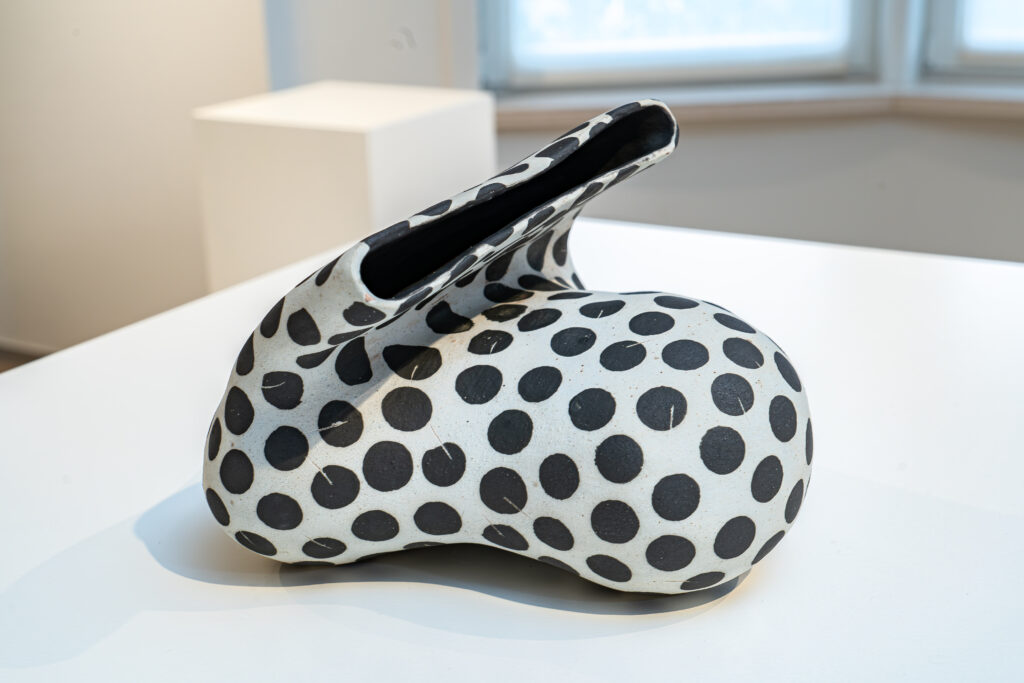
2 Wall sculptures with dots
€ 1.600,00 vat included -
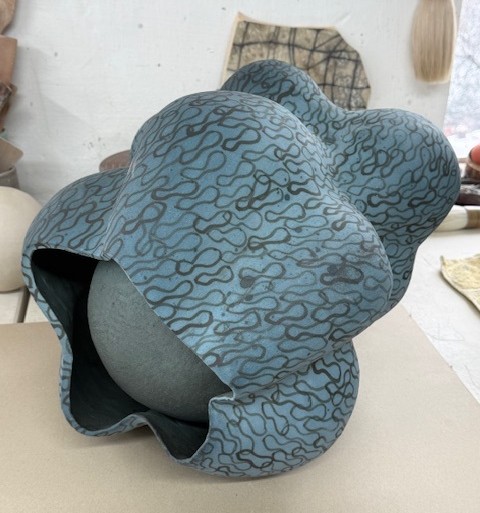
Blue Cocoon
€ 4.000,00 vat included -
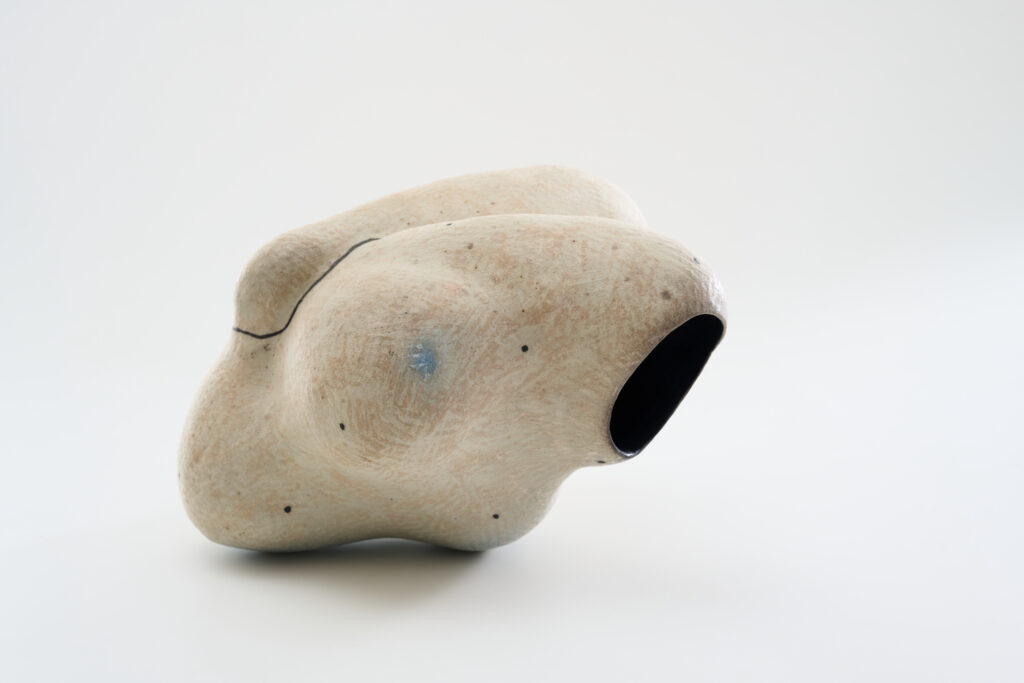
Blue dot
€ 3.100,00 vat included -
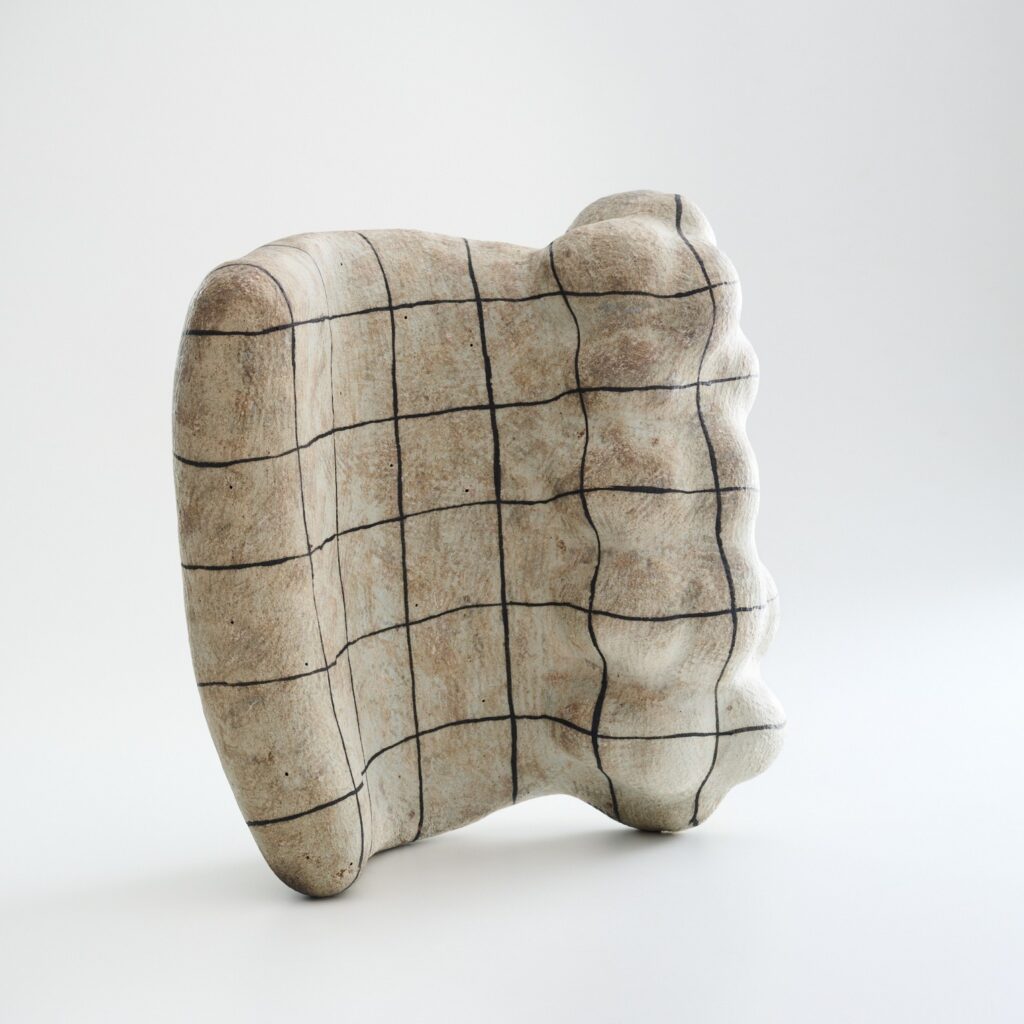
Captured
€ 3.300,00 vat included -
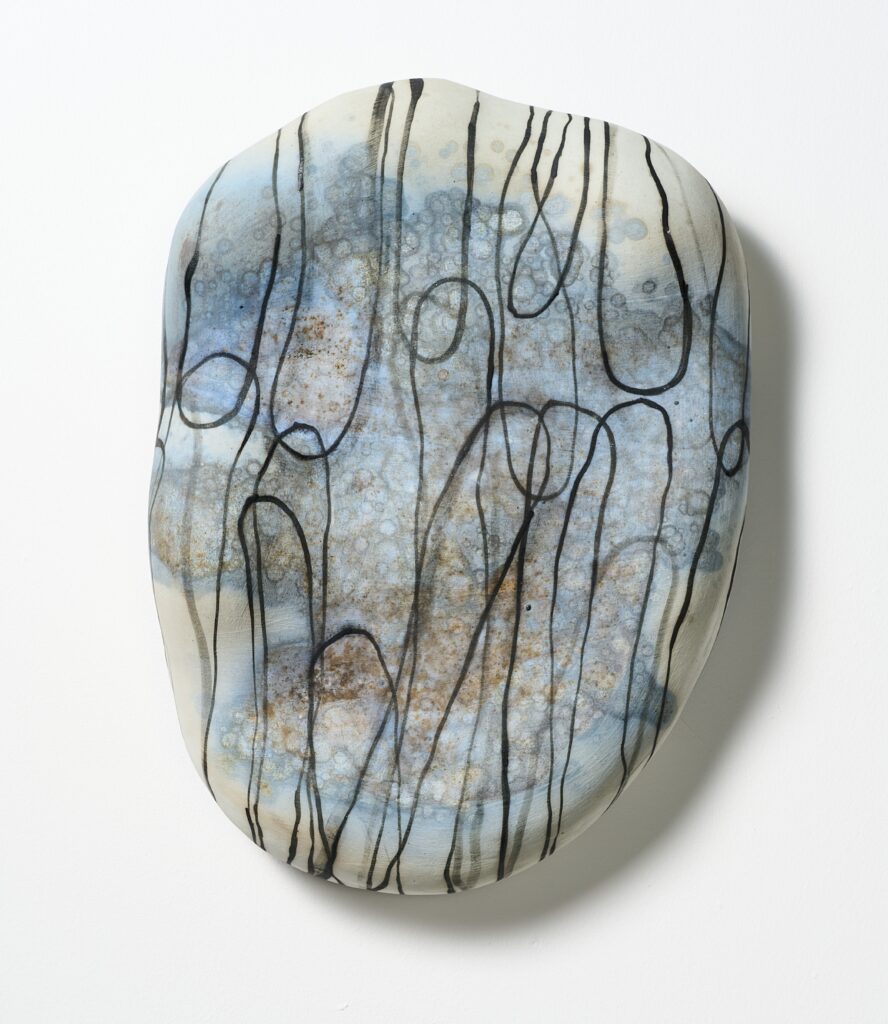
Fingers
€ 2.900,00 vat included -
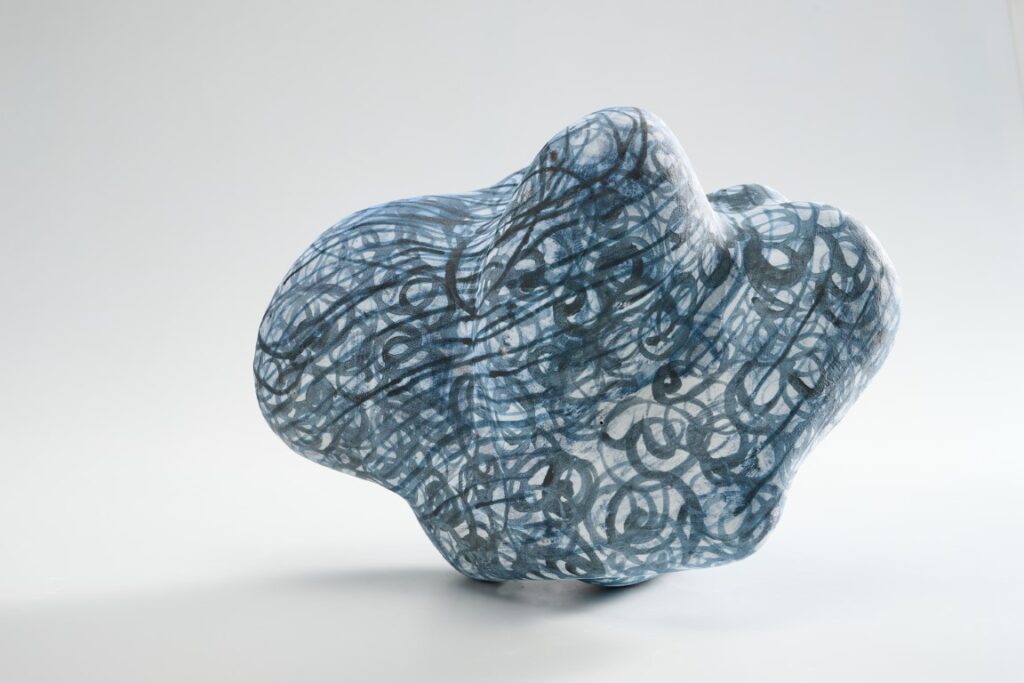
Forms Monika Debus
-
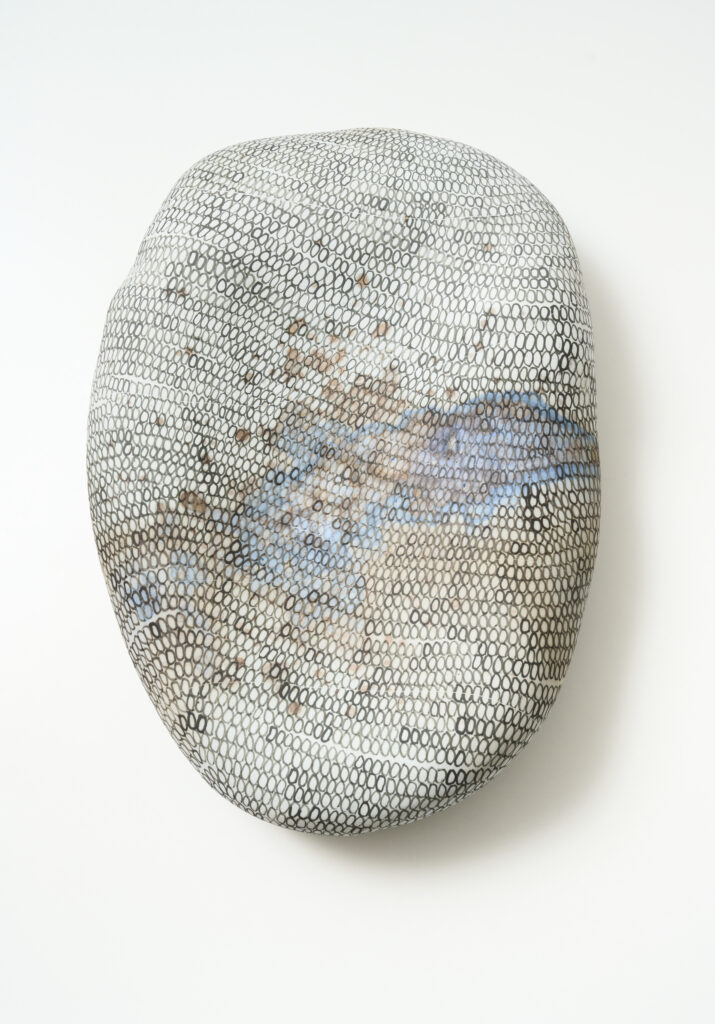
Like snowflakes
€ 3.100,00 -
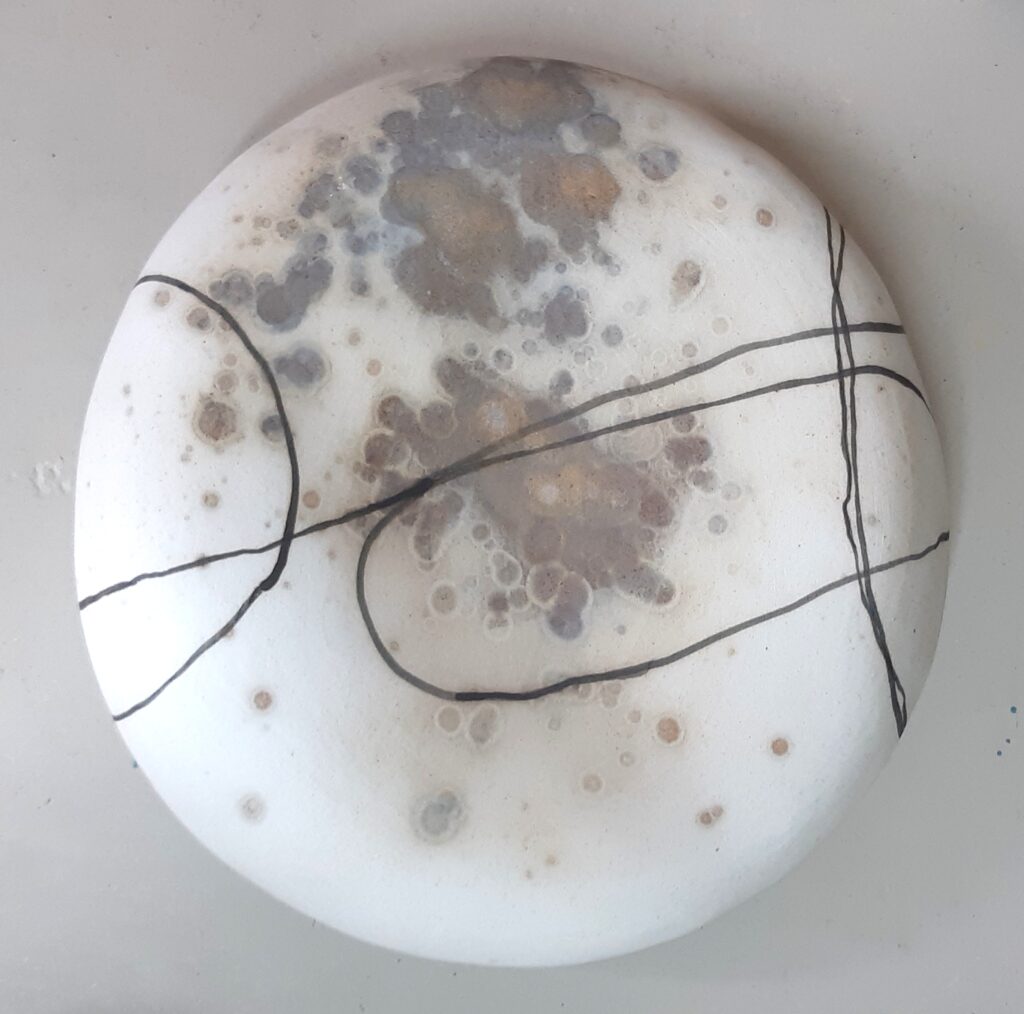
Little round 1
€ 1.200,00 vat included -
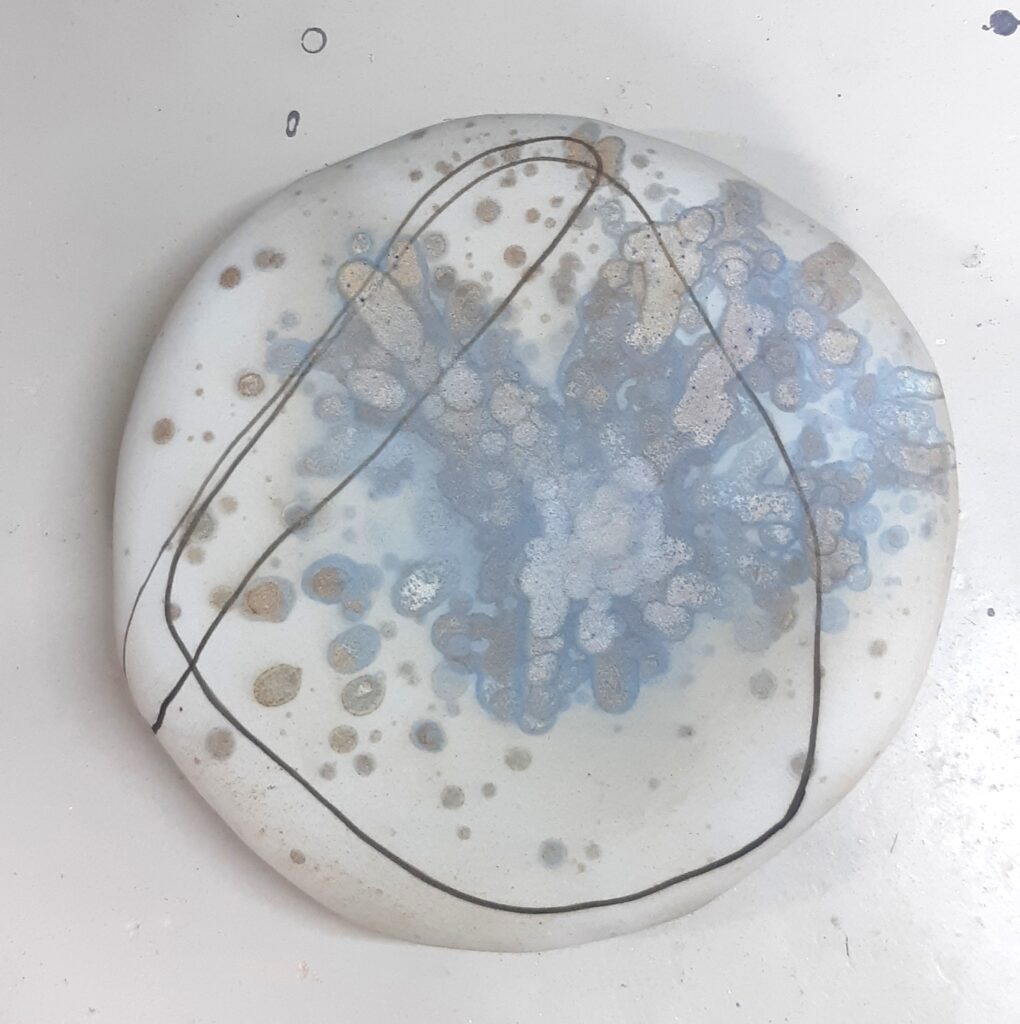
Little round 2
€ 1.200,00 vat included -
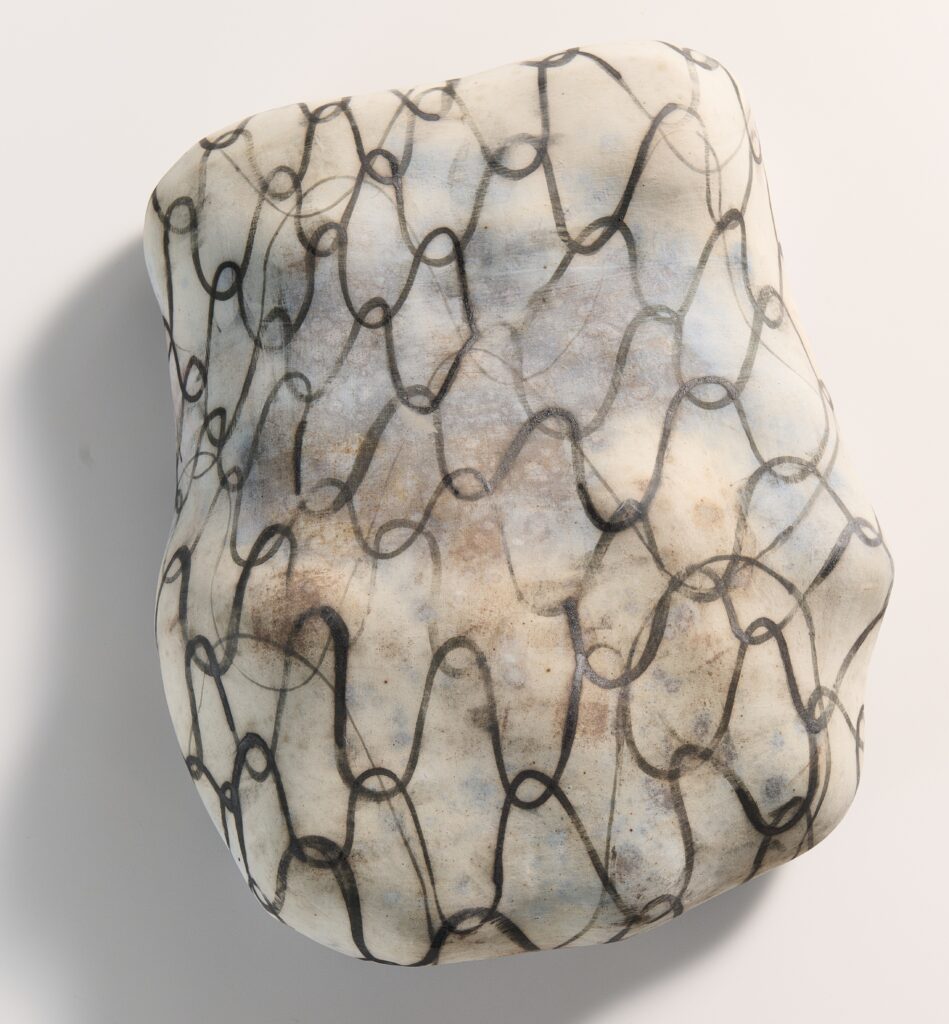
Net
€ 2.900,00 -
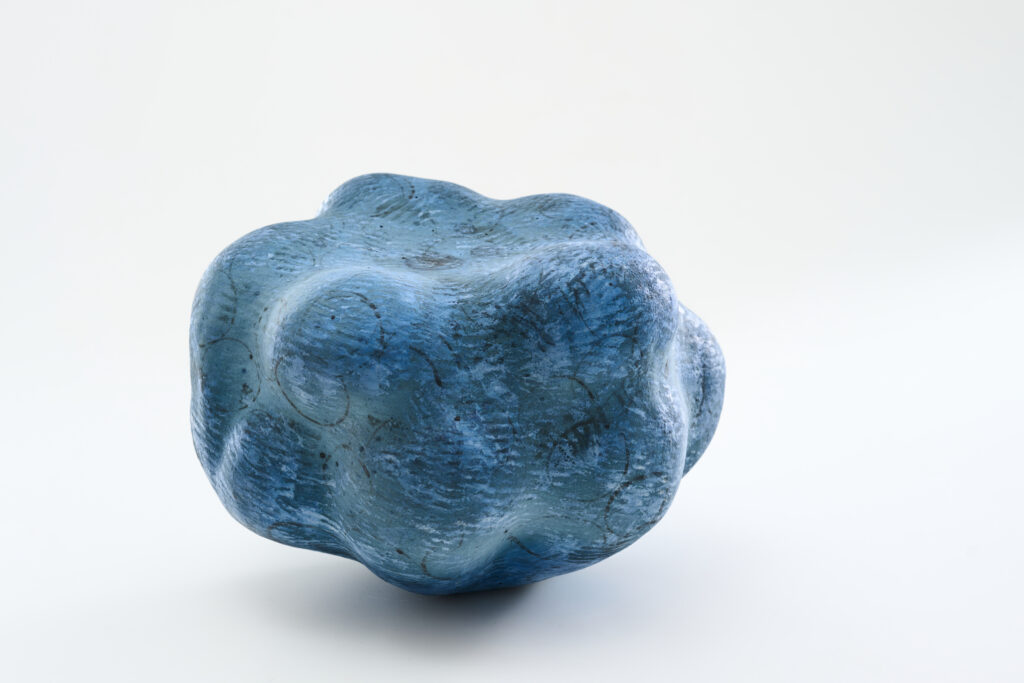
Out of the blue
€ 2.650,00 vat included -
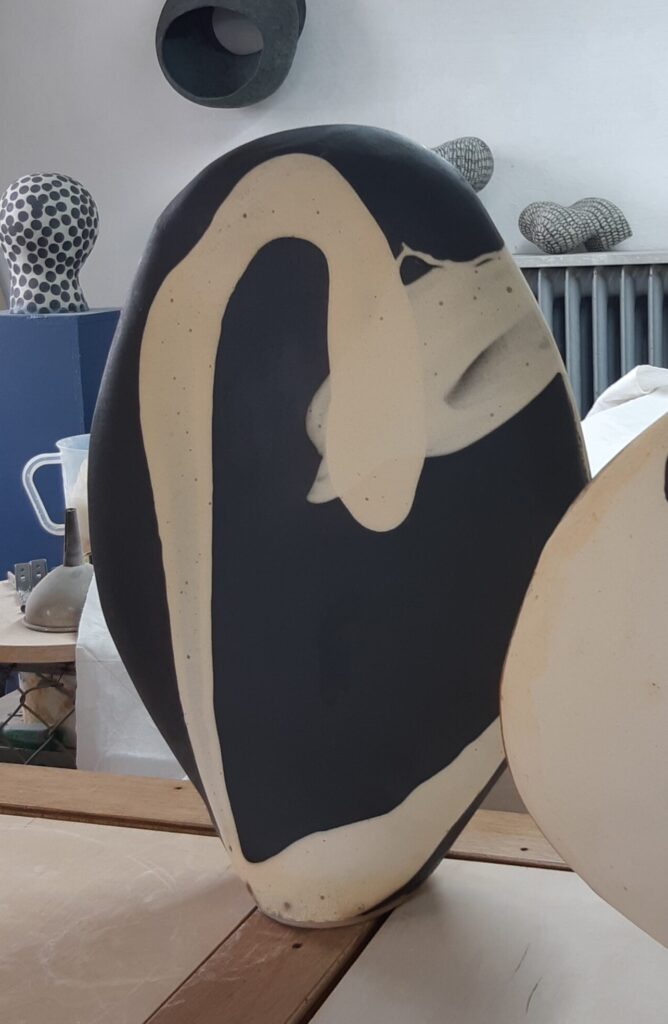
Vessel form 2
€ 2.750,00 vat included -
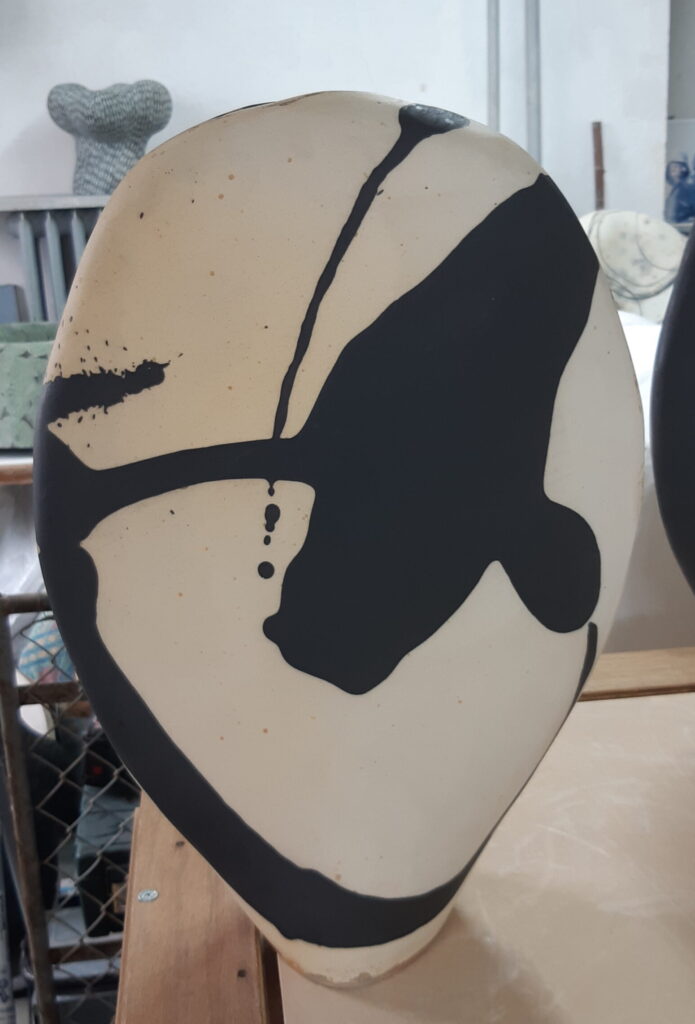
Vessel form 3
€ 2.750,00 vat included -
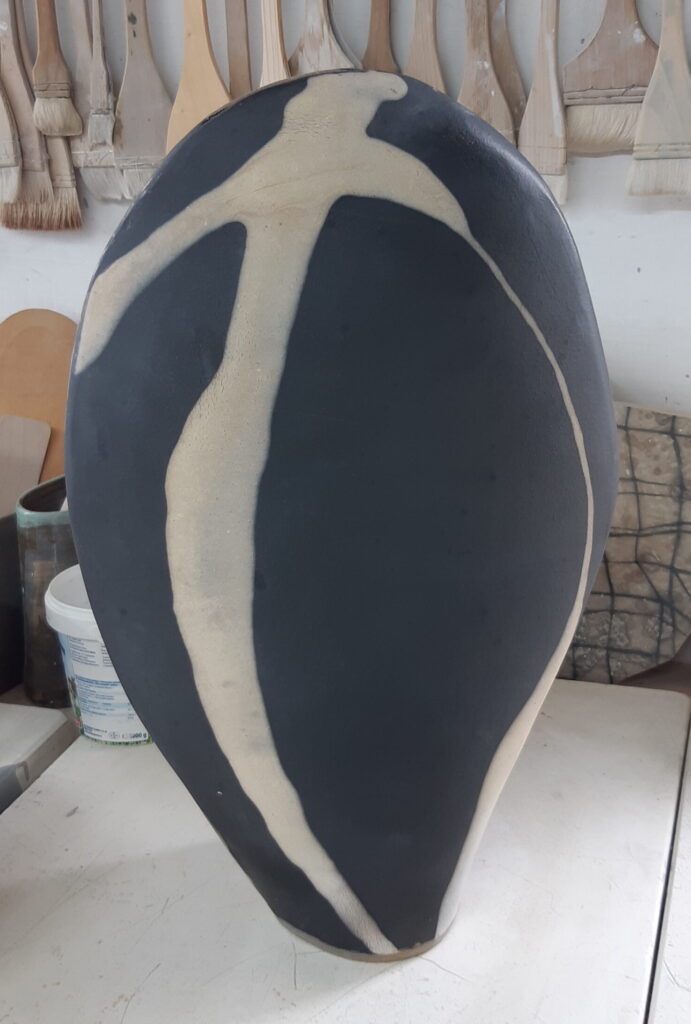
Vessel form 4
€ 2.750,00 vat included